
If you’re waiting on a green card, read this before you make any plans.
USCIS PM-602-0199: Adjustment of Status Is No Longer Routine
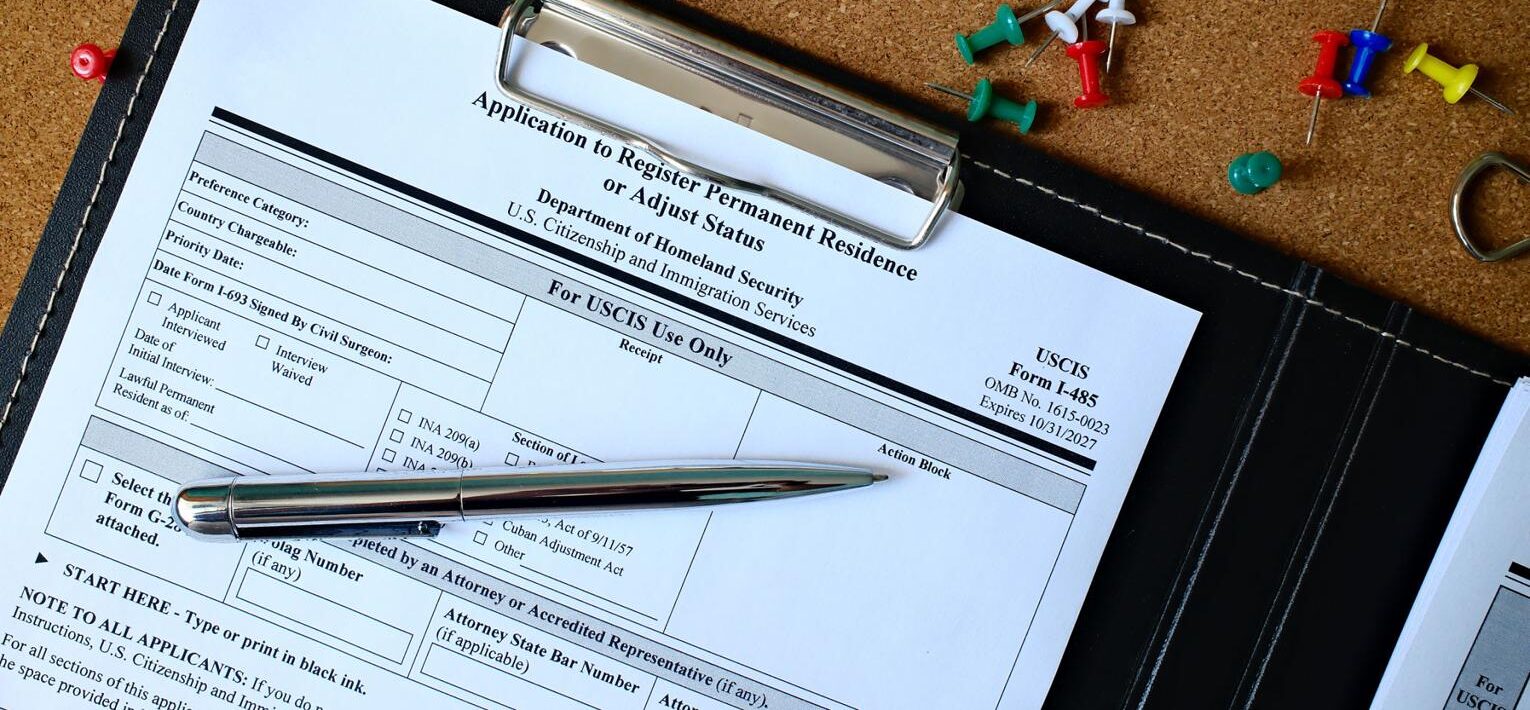
On May 21, 2026, USCIS issued Policy Memorandum PM-602-0199, sending a very clear message:
Adjustment of Status (Form I-485) is not a guaranteed benefit anymore.
Instead, it is now being emphasized as a discretionary and “extraordinary” relief.
This doesn’t create a new law, but it changes how officers evaluate applications.
In simple terms:
You don’t just qualify — you now need to deserve approval in the eyes of the officer.
What Changed in Practice?

USCIS officers are now instructed to apply stricter scrutiny when reviewing adjustment of status applications.
Key Changes:
- AOS is no longer treated as routine
- Officers must weigh positive vs negative factors more aggressively
- Applicants who could have used consular processing may face more questioning
Major Negative Factors:
- Violating visa conditions
- Staying beyond authorized period
- Unauthorized employment
- Fraud or misrepresentation
- Entering with intent different from visa purpose
Even people on H-1B or L-1 visas (dual intent) are not automatically safe anymore.
Maintaining status alone is not enough for approval.
Who Is Most at Risk?

Higher Risk Applicants:
- Visa overstays
- Unauthorized workers
- Parole entry cases
- Any immigration violations
Even immediate relatives of U.S. citizens are not fully protected anymore under discretionary review.
Lower Risk Applicants:
- Long-term H-1B or L-1 holders with clean records
- Employment-based applicants with strong compliance
- Applicants with strong documentation and history
What Should You Do Now?

1. Strengthen Your Case
USCIS will evaluate:
- Immigration history
- Family ties
- Moral character
- Overall credibility
You need a clean and well-documented profile.
2. Expect Delays & RFEs
Be ready for:
- Requests for Evidence (RFEs)
- Notices of Intent to Deny (NOIDs)
- Longer processing times
3. Consider Legal Guidance
This is no longer a DIY-friendly process.
An experienced immigration lawyer can:
- Identify risks early
- Fix weak areas
- Suggest safer alternatives (like consular processing)
4. Stay Updated
Legal challenges to this policy are expected, so future updates may impact how strictly this memo is applied.
Final Thoughts
USCIS isn’t changing the rules — they’re changing how strictly they enforce them.
That subtle shift? It’s the kind that quietly increases denials while officially claiming “nothing changed.”
So if you’re applying for adjustment of status, this is the moment to take your case seriously.
Disclaimer
This summary is for informational purposes only and does not constitute legal advice. Contact our office to discuss how PM-602-0199 may affect your specific case
